Microplastics in water: new study reveals hidden chemical threat
Scientists have discovered that microplastics can trigger chemical reactions when in contact with water, creating compounds that damage cells.
 🩺Health
Photo: TSN
Key points
- Microplastics in water trigger the formation of reactive oxygen species.
- Polyethylene and polypropylene are the most chemically active types of plastic.
- Heating plastic containers promotes the release of hazardous particles.
Microplastics, long considered a passive environmental pollutant, have been found to be significantly more dangerous than previously thought. A study conducted by experts at Columbia University, in collaboration with colleagues from Berkeley, has demonstrated that plastic particles can actively interact with water at a chemical level.
Chemical activity on the plastic surface
When in contact with water, reactive oxygen species (ROS) form on the surface of the plastic. These molecules, including hydroxyl radicals, have the ability to damage protein structures and DNA. Experiments showed that this process occurs with all common types of plastic, although polyethylene and polypropylene demonstrate the highest activity.
Researchers also identified a negative impact on biological objects: tests involving mouse erythrocytes showed cell destruction following interaction with polystyrene. Scientists emphasize that the smaller the plastic fragments, the larger their total surface area, and therefore, the higher the likelihood of harmful chemical reactions occurring.
Source TSN — tsn.ua/zdorovya/mikroplastyk-vyiavyvsia-nebezpechnishym-niz-vvazaly-shc… ↗
Read next
 👥Society
Renowned Director Quentin Tarantino Welcomes Third Child
Iconic Hollywood filmmaker Quentin Tarantino and his wife, Israeli singer Daniella Pick, have welcomed their third child together, a baby boy.
 💼Economy
Stomach and Liver Benefits: Why Chicory Deserves a Place on Your Plate
Often overlooked due to its bitter taste, chicory offers remarkable health benefits for digestion, blood sugar regulation, and overall wellness.
 🚨Events
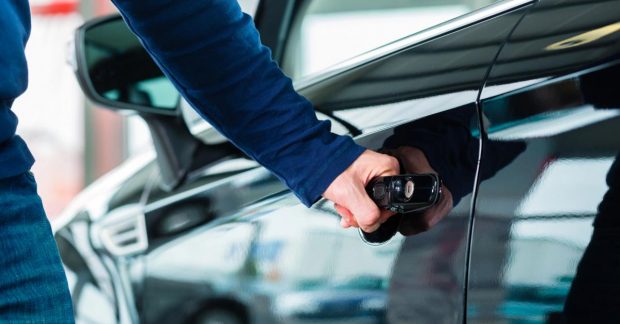
Protection against car thieves: why experts advise using foil for keys
Owners of cars with keyless entry systems are advised to use aluminum foil to block the key fob's radio signal to prevent relay attacks.
 💼Economy
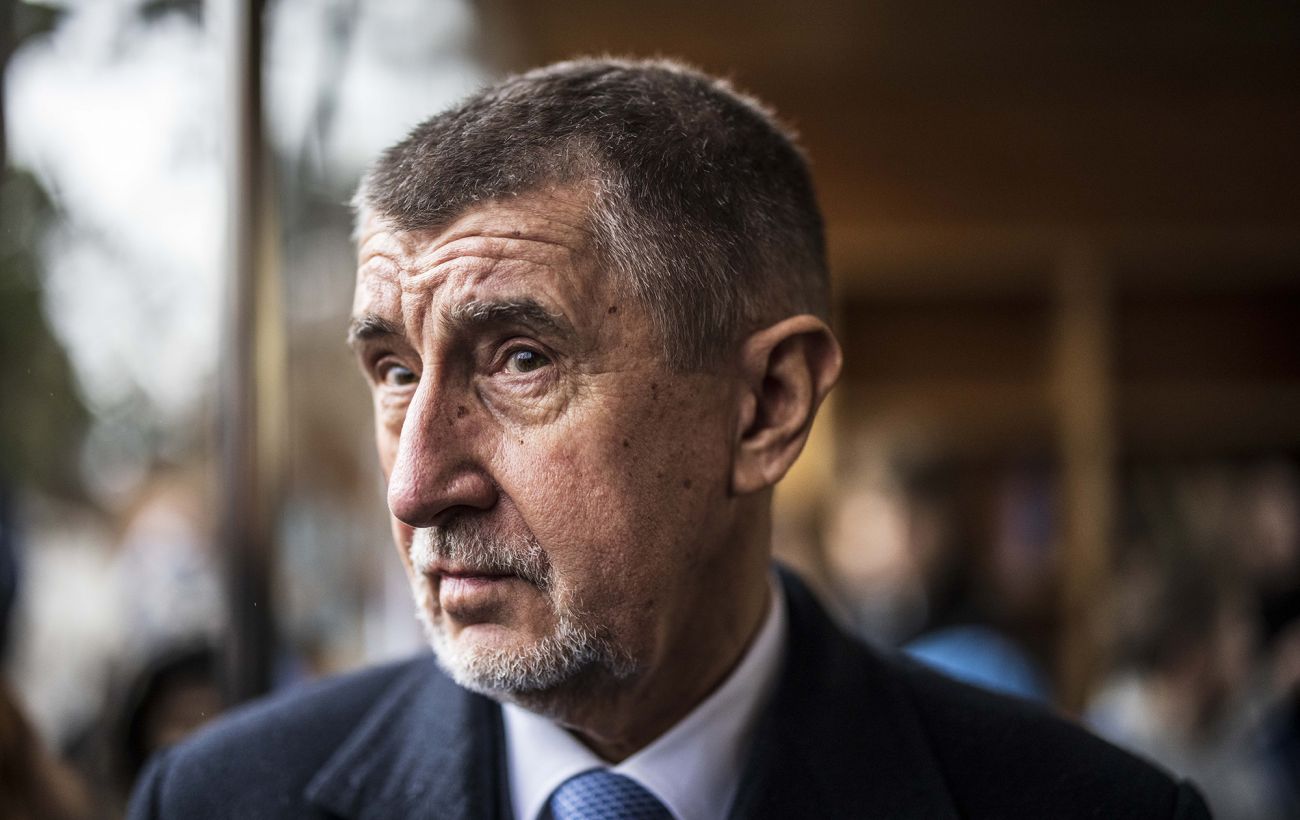
Czech Republic opposes multi-billion aid to Ukraine in new EU budget
Czech Prime Minister Andrej Babiš has criticized the proposed EU long-term budget for 2028-2034 over funding for Ukraine and cuts to Czech domestic allocations.
 🚨Events
Tragedy in Dymer: Death Toll Rises Following Strike on Residential Building
A rescue operation continues in the village of Dymer, Kyiv region, after a five-story building was hit. Two deaths have been confirmed, while 11 people remain missing.
 🚨Events
US Restricts Defense Cooperation with Canada in Secret Memo
The Pentagon has introduced restrictions on US-Canada defense cooperation, prompting discussions among officials in both nations.