How Much Water to Drink for Healthy Blood Pressure: Cardiologists Explain
Leading cardiologists and vascular surgeons share the optimal daily water intake required to maintain healthy blood pressure and explain how hydration affects the cardiovascular system.
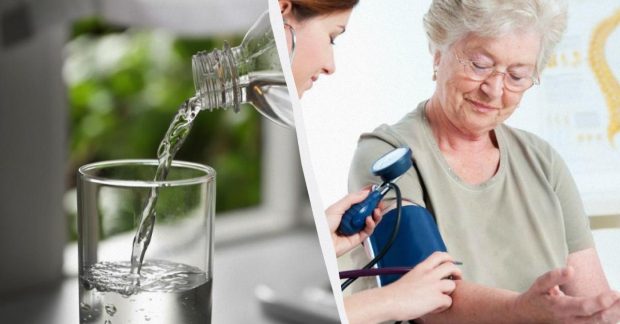 🩺Health
Photo: UNIAN
Key points
- Women are advised to drink about 2.1 liters and men about 3.1 liters of water daily.
- Dehydration decreases blood volume, which can lead to either low blood pressure or a compensatory rise.
- Excessive fluid intake can be dangerous for people with kidney, liver, or heart conditions.
- Proper hydration should be paired with lower sodium intake and regular physical activity.
Maintaining a proper water balance is critical for the normal functioning of the cardiovascular system. Recent medical insights show that both dehydration and excessive fluid intake can directly impact blood pressure levels, triggering unexpected physiological fluctuations.
Daily Water Recommendations and Vascular Response
According to health experts, women are advised to drink about 2.1 liters of water daily (roughly 9 cups), while men require around 3.1 liters (approximately 13 cups). However, specialists emphasize that individual needs may vary based on lifestyle, body weight, and overall health conditions.
Blood is primarily composed of water, meaning that a fluid deficit reduces the total volume of circulating blood. As vascular surgeon Dr. William Schutze explains, this reduction can cause blood pressure to drop, particularly when standing up quickly, often resulting in dizziness. Conversely, the body attempts to compensate by releasing vasopressin, a hormone that constricts blood vessels and raises blood pressure.
Risks of Overhydration and Overall Health Context
Medical professionals also warn against excessive water consumption. Drinking too much fluid can increase blood volume and elevate blood pressure, posing potential risks for older adults and individuals with heart failure, liver disease, or kidney problems. Cardiologist Dr. Tisa Saha notes that consuming an optimal amount of fluid helps keep blood pressure within a healthy range.
At the same time, experts stress that proper hydration is only one component of cardiovascular health. To effectively manage blood pressure, individuals must also focus on reducing sodium intake, increasing physical activity, maintaining a healthy weight, and following medical treatments prescribed by healthcare providers.
Source UNIAN — unian.ua/health/shcho-bude-yakshcho-piti-duzhe-malo-vodi-kardiologi… ↗
Read next
 🛡️Security
Ukrainian Defense Forces destroy Russian missile corvette 'Merkuriy' off the coast of Libya
Ukrainian military, in cooperation with the Security Service, struck and sank a modern Russian Project 20380 corvette in the Mediterranean Sea.
 🧠AI Analysis
Anti-Corruption Scandal: Head of SAP's Wife Accused of Trying to Evade Responsibility
Former Prosecutor General Ruslan Kravchenko stated that the wife of SAP head Oleksandr Klymenko is trying to avoid liability with the help of the SBI.
 🛡️Security
Another war crime: Russian forces strike evacuation vehicle in Kramatorsk
A hostile attack on an evacuation vehicle in Kramatorsk left two civilians dead and two others injured.
 🧠AI Analysis
Why Protection for Energy Facilities was Delayed: Main Causes Identified
Delays in constructing protective structures for Kyiv Region's energy facilities were caused by severe underfunding, mobilization of workers, late site access, and freque…
 🛡️Security
Volodymyr Zelenskyy Announces Readiness for Four-Way Talks to End the War
The Ukrainian President stated that Kyiv is prepared to engage in four-way negotiations with Russia, the US, and Europe immediately, while stressing the need to coordinat…
 👥Society
Why Winter Hats Have Pom-poms: History and Practical Purpose
Exploring the origins of pom-poms on winter headwear, their military and naval background, and their role in modern fashion.