Resilience During Air Raids: Kyiv Launches New Public Transport Monitoring System
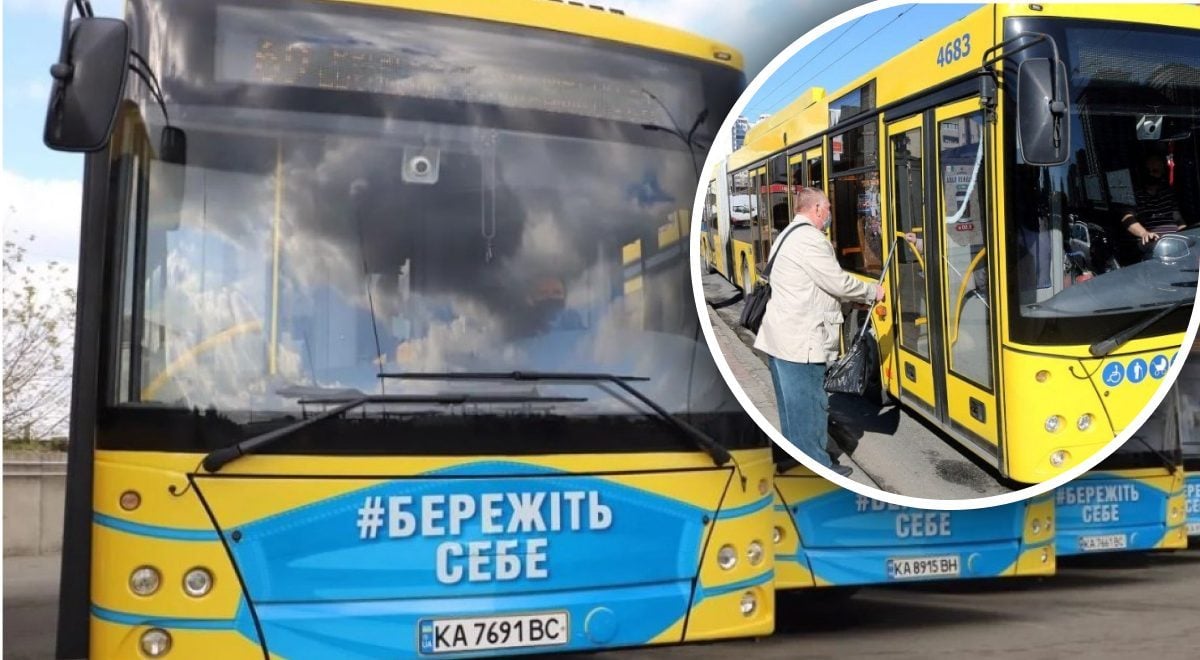
Kyiv has introduced online tracking for municipal transport that remains functional even during air raids and satellite navigation disruptions.
 🚌Transport
Photo: AutoGN transport · Транспорт новини
Key points
- Tracking system works during air raids and GPS jamming.
- Data updates every three minutes, with plans for faster refresh rates.
- All Kyivpastrans buses, trams, and trolleys are included in the monitoring.
- Transport network is adapting to the aftermath of missile strikes on bridges.
A revamped online monitoring service for buses, trolleys, and trams has been launched in the Ukrainian capital. The system's primary feature is its ability to operate amidst active electronic warfare (EW) measures and during prolonged air raid alerts. This solution addresses the challenges faced by urban infrastructure following regular strikes and GPS navigation failures.
Technological Features and Coverage
According to the Kyiv City State Administration, the new system relies on alternative data sources. This allows the map to remain accurate even when traditional satellite signals are unstable. Currently, the entire fleet of the municipal enterprise "Kyivpastrans" is integrated into the service. Users can track their routes in the dedicated "Transport online" section of the company's official website.
During air raids, the current data update interval is three minutes. Developers state that this is only the first phase, with plans to significantly increase the speed of information transmission in the future. Such digital resilience is critical, as it enables passengers to better plan their commutes under complex security conditions.
Strategic Importance of Transport Arteries
The system's launch comes amid severe tests for Kyiv's transport network. Following a ballistic missile strike on November 17, when seven missiles targeted the North and South bridges, communication between the Dnipro River banks was temporarily disrupted. Transport expert Dmytro Bespalov emphasizes that stable connectivity is vital for the city's economy. According to him, when travel time increases from the standard 45 minutes to several hours, it significantly undermines the community's economic activity.
While experts believe a total paralysis of the metropolis is unlikely, the threat to bridges remains high. Currently, various alternatives are being considered at the state level, ranging from traffic flow reorganization to tunnel construction or the use of ferry crossings. Implementing reliable online monitoring is part of a broader strategy to adapt city management to conditions of constant threat.
Read next
 🏙️City
Civilian evacuation: why ceasefire proposals on the front line have different prospects
ISW analysts explained the difference between Ukraine's humanitarian initiatives in the Kherson region and Russia's proposals regarding Kostiantynivka.
 💼Economy
Another attack on the Novoshakhtinsk Oil Refinery: implications for fuel supply
On the night of November 23, an oil refinery in the Rostov region, which supplies fuel to the Russian military, was hit by another attack.
 👥Society
Special police operation launched in Kharkiv following a shooting
A man was found dead following a shooting in Kharkiv on the evening of November 22. Police have launched a special operation to apprehend the suspects.
 🛡️Security
Wreckage of latest Russian missiles, produced in late 2026, found in Poland
Fragments of Russian Kh-101 cruise missiles, manufactured just weeks ago in the Moscow region, have been discovered in eastern Poland.
 👥Society
Charity auction in Lviv region raises UAH 60 million for defenders
A charity auction in the Lviv region has successfully raised UAH 60 million to support the Ukrainian military through drone procurement and veteran rehabilitation.
 🏛️Politics
Russian Missiles Breach Polish Airspace: Warsaw and NATO Respond
Polish officials have reported a deliberate incursion of Russian missiles and a drone into their airspace, linking the event to provocations during regional military exer…