Who is in charge of Ukrainians abroad: why global diaspora faces institutional confusion
With new government platforms launching for Ukrainians abroad, the issue of institutional coordination has come to the forefront. Despite efforts by multiple ministries, citizens and diaspora leaders often struggle to find a single point of contact.
 👥Society
Photo: Ukrainska Pravda
Key points
- New digital platforms have highlighted the need for better coordination regarding Ukrainians abroad.
- Policy responsibilities are currently divided among the Ministry of Social Policy, MFA, Ministry of Education, and Ministry of Youth and Sports.
- Institutional fragmentation creates administrative hurdles for citizens trying to access basic public services remotely.
In recent weeks, Ukrainian state institutions have actively introduced new tools to communicate with millions of compatriots living abroad. Notably, the Ministry of Social Policy hosted a dedicated forum in Berlin focusing on the Unity Network. However, as the number of government initiatives grows, the lack of a centralized authority responsible for the global Ukrainian community becomes increasingly apparent.
Multiple agencies, fragmented jurisdiction
The practical experience of Ukrainians abroad shows that resolving everyday issues often turns into a bureaucratic labyrinth. For instance, minors living abroad under guardianship face barriers when trying to obtain their first Ukrainian passport simply because they lack access to digital verification tools like Diia. Such cases fall between the cracks of consular services, digital governance, and child protection agencies, leaving them essentially ownerless.
Currently, diaspora and migration policies are handled by several distinct bodies: the Ministry of Social Policy manages the Unity Network, the Ministry of Foreign Affairs maintains a dedicated department, the Ministry of Education oversees Ukrainian schools abroad, and the Ministry of Youth and Sports focuses on national identity. Experts and community leaders point out that this fragmented approach often leads to overlapping functions and a lack of a unified strategy.
«Every ministry views a citizen through the lens of its specific function, while in reality, a person abroad experiences all these aspects simultaneously», — migration experts note.
The situation is further complicated by frequent administrative reorganizations and shifting ministerial mandates. Establishing effective communication requires the state to bridge the gap between encouraging voluntary repatriation and supporting those who have integrated abroad but wish to maintain cultural ties with their homeland.
Source Ukrainska Pravda — pravda.com.ua/columns/2026/11/19/8063597/ ↗
Read next
 ⚽Sport
Alcaraz's Dominance and Leadership Crisis: ATP Finals Recap
Carlos Alcaraz confirmed his status as a top leader in men's tennis by winning the ATP Finals undefeated, despite battling a hip injury.
 🧠AI Analysis
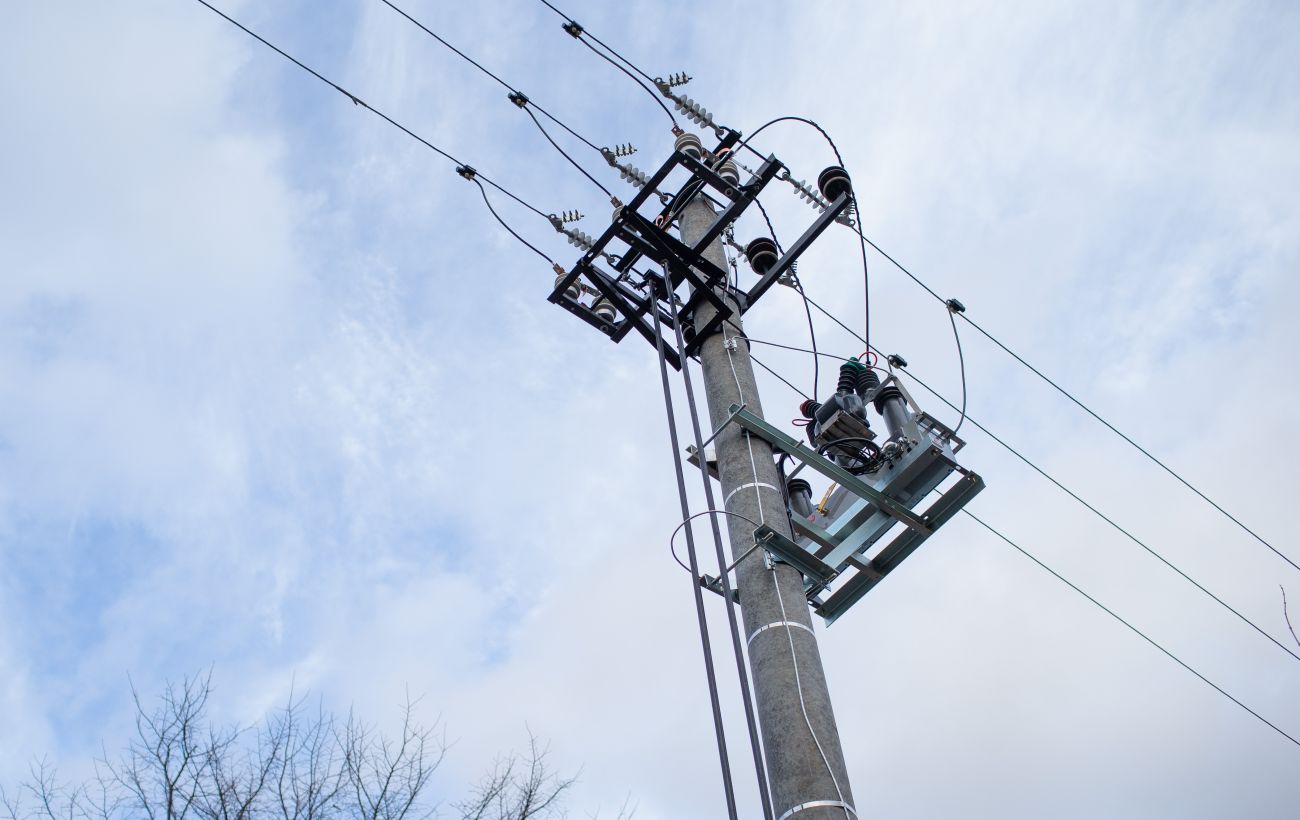
Energy Front: DTEK Reports Record Power Restorations Following Attacks
Over the course of a week, energy workers restored power supply to 3.5 million Ukrainian households following shelling.
 🧠AI Analysis
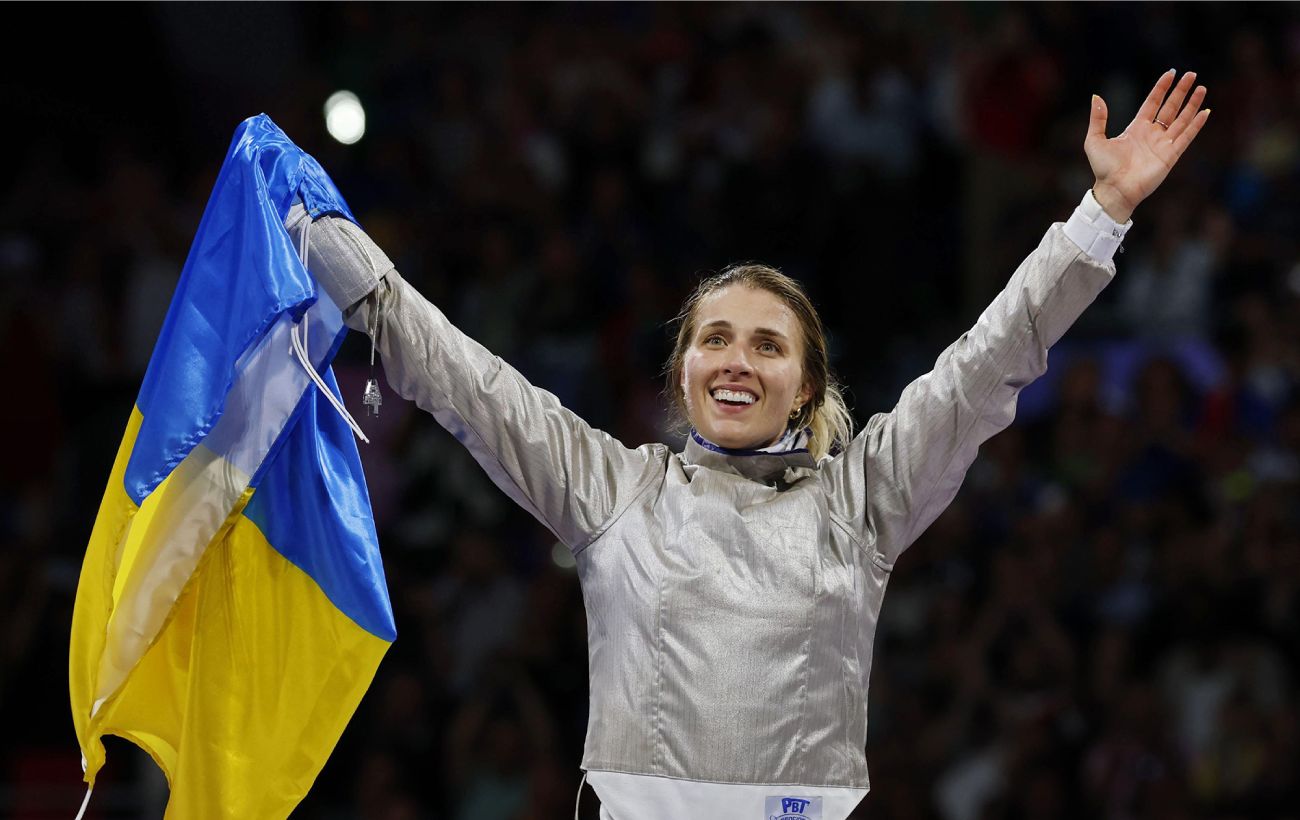
Olympic champion Olha Harlan appeals to Melania Trump to help civilians in occupied areas
Renowned Ukrainian fencer Olha Harlan has urged US First Lady Melania Trump to help liberate civilians from Russian-occupied territories, focusing on the Kinburn Spit.
 🧠AI Analysis
Relic from the Plow: How a Farmer's Discovery Revealed an English King's Treasure
A 17th-century accidental agricultural find turned out to be a priceless medieval artifact linked to King Alfred the Great.
 🧠AI Analysis
New Geography of Naval Threats: Incidents in Libya and Gulf of Finland Expose Russian Logistical Vulnerabilities
Explosions and fires on Russian vessels in Benghazi and the Gulf of Finland highlight the global fragility of Moscow's supply lines.
 🛡️Security
Casualties of Russian attacks in October: over 500 civilians killed
In October, Russian shelling claimed the lives of 534 Ukrainian civilians, including 16 children. The data was released during a session of the NATO Parliamentary Assembl…