Winter is coming: Are ancient calendars predicting a harsh season for the Berdychiv region?
While old meteorological manuscripts forecast a freezing and dry winter, modern forecasters and global climate patterns point to a much milder season ahead.
 🏙️City
Photo: UNIAN
Key points
- Old Hungarian calendar predicts a cold winter
- Modern meteorologists forecast a mild season
- El Niño influences global and regional winter patterns
As the winter season approaches, residents of the Berdychiv community are increasingly paying attention to what the upcoming months might bring. Weather forecasts remain a crucial factor for local agriculture, public utilities, and daily urban life as infrastructure prepares for the cold months.
What the 19th-century calendars say
Recently, attention has been drawn to an old Hungarian publication from 1851 known as the 'Centennial Forecaster,' which ties seasonal patterns to planetary cycles. According to its astrological calculations, the current period should bring a dry and cold winter. However, experts emphasize that historical agrarian lore has a very low statistical accuracy rate and often amounts to mere coincidence.
Analyzing historical data shows that relying on medieval meteorological observations for modern practical planning is unreliable, as contemporary climate dynamics have significantly altered regional weather patterns.
Modern meteorology vs. old traditions
In contrast to centuries-old predictions, contemporary meteorological agencies anticipate a markedly different winter. Driven by global climate phenomena such as El Niño, current computer models suggest a milder season with regular precipitation, which is generally beneficial for soil moisture levels.
- Traditional seasonal markers, such as the absence of early frosts in mid-November, further contradict the theory of a severe winter.
- Local authorities and farmers in the Berdychiv area continue to rely on data-driven forecasts rather than historical folklore.
For local residents, this indicates that extreme and prolonged freezes are unlikely, though municipal services must remain prepared for standard winter precipitation and temperature fluctuations.
Source UNIAN — unian.ua/pogoda/news/zima-2026-2027-chi-bude-vona-holodnoyu-i-suhoy… ↗
Read next
 🇺🇦Ukraine
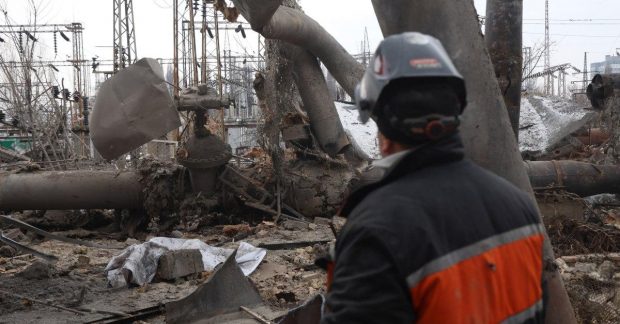
Military specialists to be deployed for energy infrastructure repairs
The government plans to engage engineers and electricians from the State Special Transport Service to accelerate repairs on damaged energy facilities.
 🇺🇦Ukraine
British Conservatives and Reform UK distance themselves from Trump over Putin photo
Key British political figures have strongly reacted to US President Donald Trump's social media post describing the Russian leader as his friend.
 🎓Education
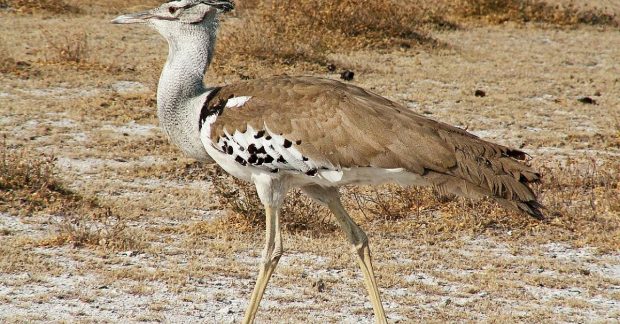
Europe Records Highest Number of Rare Great Bustards in Over 50 Years
Ornithologists in Slovakia have counted 638 great bustards at a protected natural site, marking the best result in more than half a century.
 🎓Education
Poultry Basics: How Genetics and Care Influence Egg Production
Experts explain the factors affecting egg-laying capacity and highlight the importance of a proper diet for poultry health.
 🇺🇦Ukraine
Swedish Development Against Jet-Powered Drones: What We Know About the New K200 Interceptor Involving Ukraine
Swedish startup Nordic Air Defence has unveiled the new K200 interceptor drone designed to destroy jet-powered Russian UAVs with active support from Ukrainian specialists…
 🛡️Security
Consequences of enemy attack in Kyiv region: woman injured and houses damaged
A local woman was injured and private houses were damaged following a nighttime drone attack in the Bila Tserkva district.