History and Traditions of New Year: From Ancient Cults to Modern Times
Why we celebrate New Year on January 1st and how the habits that became a global norm were formed.
 🧠AI Analysis
Photo: TSN
Key points
- January 1st as the start of the year was established by the reforms of Julius Caesar and Gregory XIII.
- The name of the month comes from the Roman god Janus.
- Global traditions vary from gastronomic to religious rituals.
New Year is a holiday that seems unchanging today, yet its date has been a subject of religious and political debate for millennia. Most countries in the world use the Gregorian calendar, where January 1st officially opens the calendar cycle. However, this has not always been the case.
From Roman Gods to the Gregorian Calendar
The roots of the modern date reach back to Ancient Rome. Julius Caesar, in 46 BC, established January 1st as the beginning of the year, dedicating this time to Janus, the god who symbolized transitions and new beginnings. Despite this, medieval Europe long used other dates tied to religious holidays such as Christmas or the Annunciation.
Unification occurred only after the introduction of the Gregorian calendar in 1582 by Pope Gregory XIII. It was this reform that allowed the calendar to be synchronized with the solar cycle, making January 1st the generally accepted standard for most states.
Diversity of Global Customs
- In Spain, it is customary to eat 12 grapes as the clock strikes midnight to attract good luck.
- Italians consume lentils, which symbolize financial prosperity.
- The Japanese tradition involves 108 bell tolls in temples for spiritual purification.
- The Scottish custom of "first-footing" places special importance on the first guest to cross the threshold after midnight.
Source TSN — tsn.ua/tsikavinki/koly-sviatkuiut-novyy-rik-chomu-data-prypadaye-na-1-s… ↗
Read next
 🩺Health
The Health Benefits of Sauerkraut: Nutritionist Advice for Seniors
A nutritionist explains why daily consumption of sauerkraut is an effective way to support gut health and immunity in older adults.
 💡Tech
The Philosophy of Repair: Why Infrastructure Maintenance Is the Key Challenge for Communities
Recognizing the importance of daily maintenance work is becoming a crucial aspect of survival during wartime.
 🏙️City
Berdychiv Approves Winter Ice Rink: Entrepreneur Donates Generator to Culture Palace
The Berdychiv City Executive Committee has approved the launch of a winter entertainment area on Mystetska Square. The business owner also donated a generator to the loca…
 🇺🇦Ukraine
Czech Prime Minister Objects to Financing Ukraine Within EU Budget
Czech Prime Minister Andrej Babiš has criticized the European Union's draft long-term budget for 2028–2034, citing funding allocations for Ukraine and spending cuts for t…
 👥Society
Global Trend Reaches Europe: Why People Are Hosting 'Fake Weddings' Without Legal Marriage
A growing global trend sees couples hosting full-scale wedding ceremonies and parties without officially tying the knot. Organizers say it is a unique way to experience c…
 👥Society
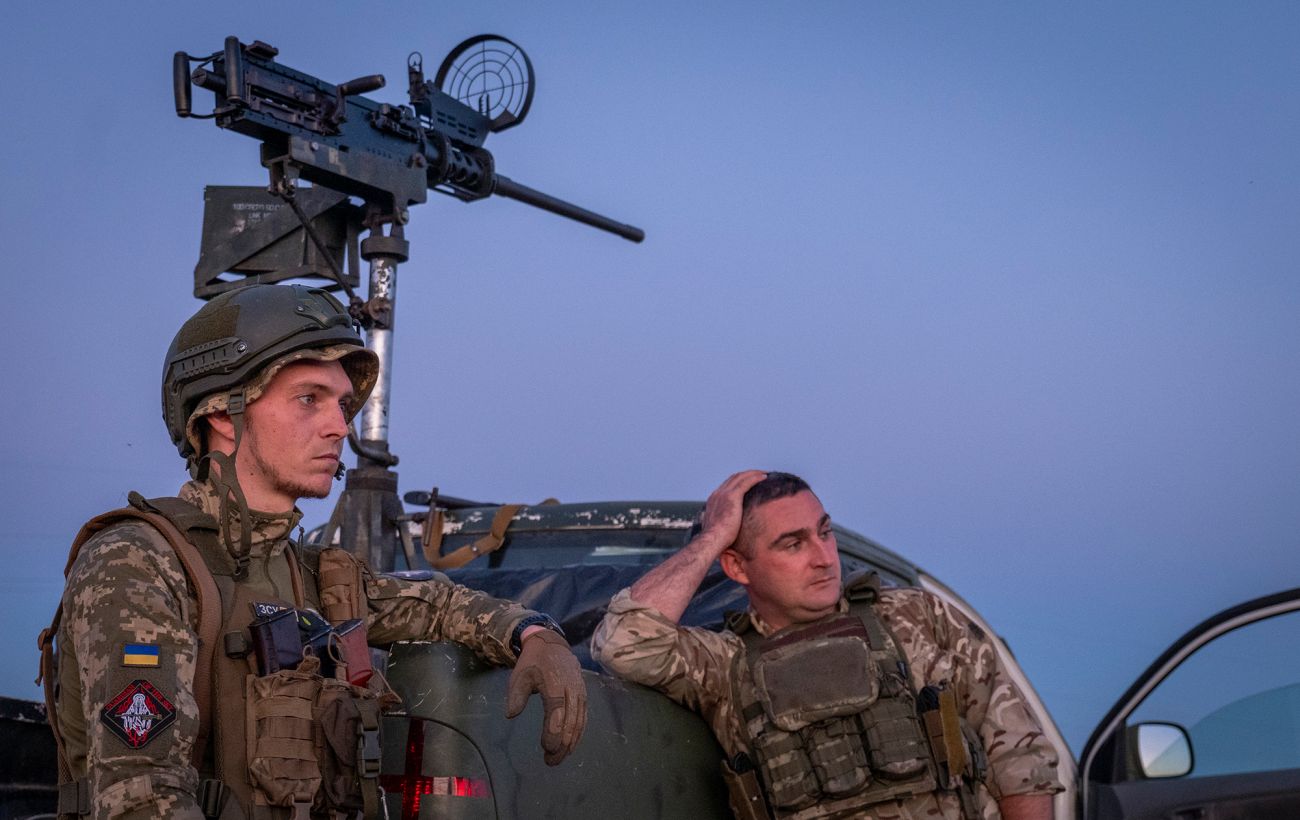
Ukrainian mobile fire groups continue to successfully intercept enemy aerial targets
Ukrainian paratroopers demonstrated exceptional skill by shooting down an enemy jet drone using standard assault rifles.